
We use data to regenerate oceans. That’s what makes us different.
Universal Plastic · 2026
Marine plastic pollution has a cost. Measuring it is the first step towards someone taking responsibility for it.
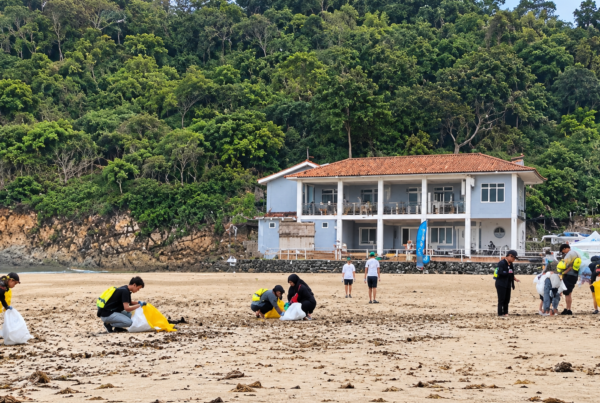
A bottle on the sand. A net among the rocks. Tiny fragments that appear once we start looking closely. We pick them up. The beach is cleaner. But there is a question almost nobody asks: how much did it cost us for that plastic to be there?
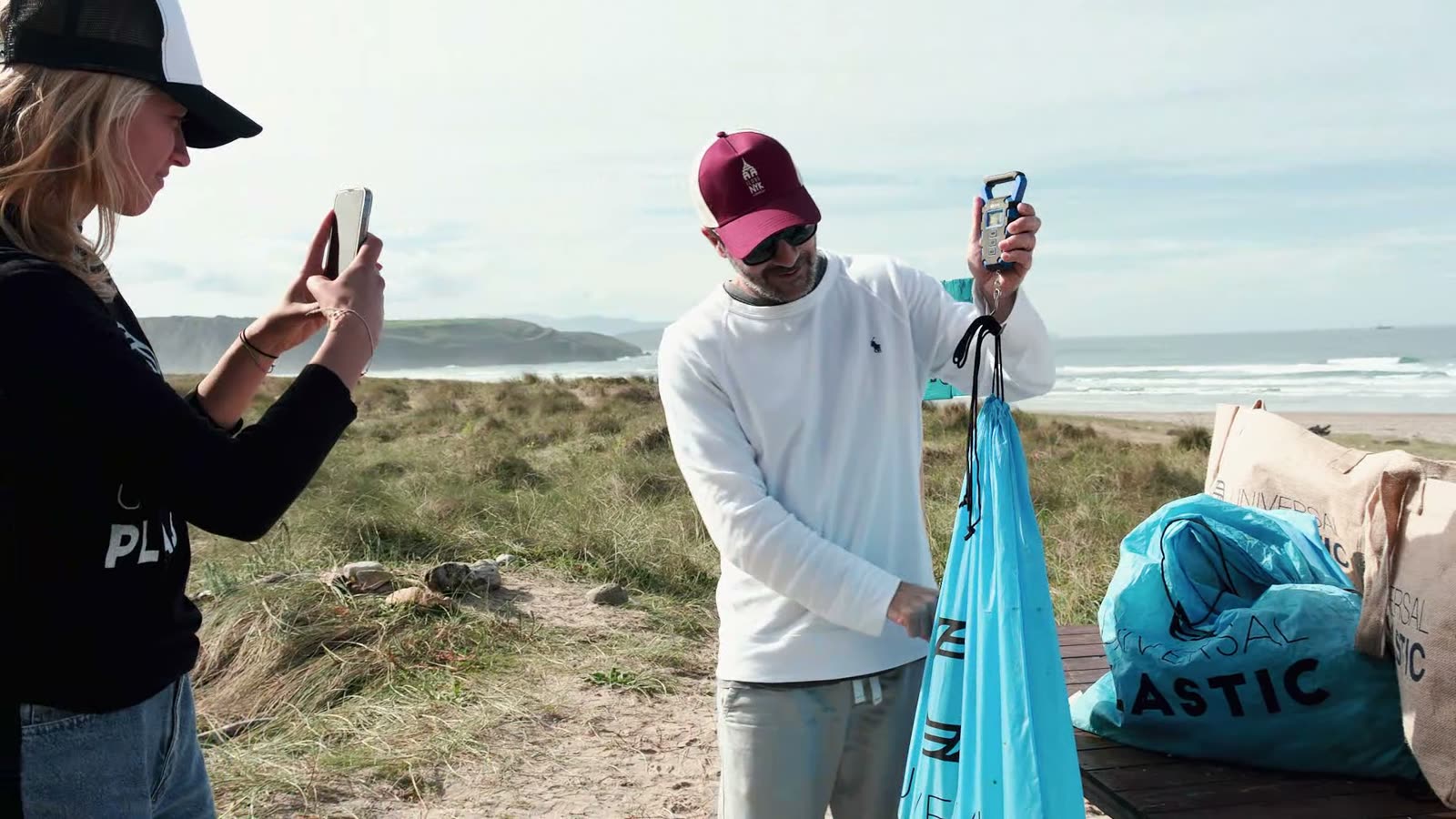
From phone record to weighing: how a collection is documented.
Cleaning up the consequences or acting on the system
Kilos collected are the most common way to report the results of a beach cleanup. They tell us how much plastic was removed, but they are not enough to know its positive environmental impact: what is removed, where, and which risks it helps reduce also matter.
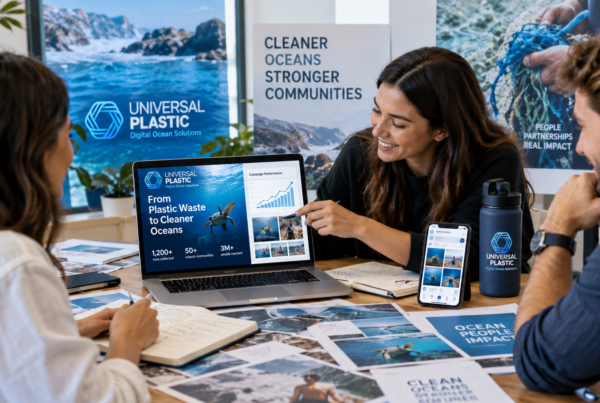
The next step is to use science and technology to move from the weight collected to an assessment of impact. That is the direction of Universal Plastic’s Plastic Impact Index: turning the data from each action into evidence to assess its environmental contribution and better guide the next interventions.

It all starts on the phone: photo, location and type of waste for each find.
The cost we need to account for
Plastic is present in territories where people live, fish and receive visitors. Its impact is not only environmental, it is also economic.
International evidence puts a number on it. Pollution takes around €350 billion a year off the productivity of the blue economy, while investment in SDG 14 barely reaches €2.8 billion against the €160 billion needed.
Fewer catches, damaged nets, beaches that lose appeal and more municipal spending on cleanup. These are real costs, spread across many actors, which is why they rarely show up on a balance sheet.

Recording each find on the phone turns a cleanup into data.
Ocean resilience and a productive blue economy
A degraded ecosystem performs less. When pollution affects fishing, water quality or tourism, what is at stake is the productivity of the blue economy.
That is why protecting the ocean is a condition of its performance. Understanding that relationship precisely lets us move from rhetoric to using data and intelligence as a lever to guide investment and public policy, the approach behind our ocean resilience work.
Volunteers recording the collection on their phones.
From data to decision
Every recorded action tells us what we found, where and when. With international scientific protocols and technology, we turn those observations into structured, comparable and traceable data.
We integrate this data into ONDAs Data Space, a data ecosystem on marine plastic pollution developed by Universal Plastic within the digitalisation programme of the Spanish Secretary of State for Digitalisation and Artificial Intelligence and listed as a trusted data space at national level. We also connect this information with UNESCO-IOC’s Ocean Data and Information System (what is ODIS?), which contributes to SDG 14 and the UN Decade of Ocean Science.
This is how we answer the questions that matter to decision-makers:
- Where is pollution concentrated and how is it changing?
- Which areas and sectors bear the greatest impact?
- How much does it cost in terms of fishing, tourism and coastal services?
- Which investments and policies generate the greatest return?
One photo from the phone: the first step of a traceable data point.

How the AI works: detecting and classifying different types of plastic in an image.
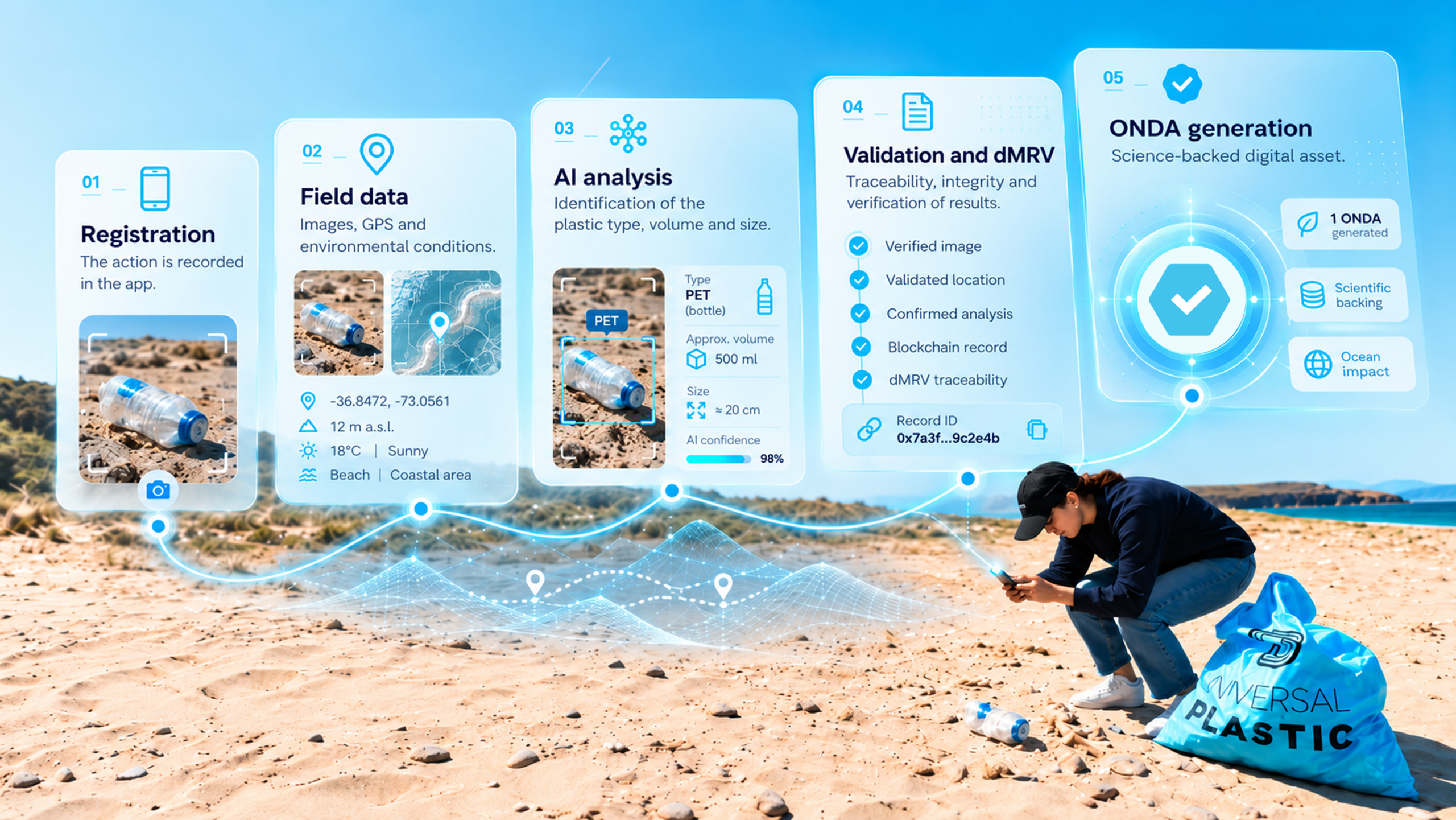
From a field record to a verified digital asset: how ONDAs work.
Purpose and performance
It is often assumed that environmental impact and efficiency belong to different worlds. At Universal Plastic, every resource we direct must leave behind a data point that improves the next decision: this is the maritime operational intelligence of Blue Resilience, which turns marine data into decisions that reduce environmental risk and improve the productivity of the blue economy. We saw it in the pilot with Xove Town Council and in the ocean productivity study in Angola.
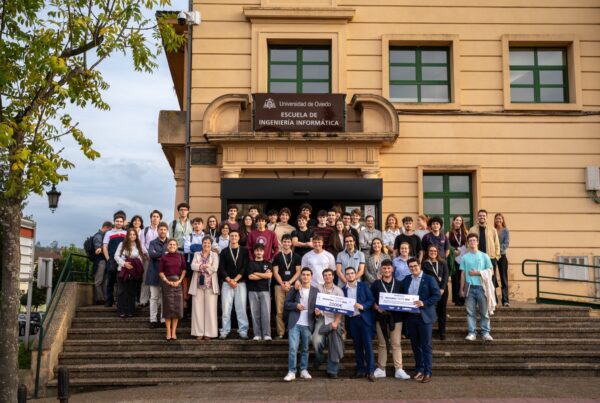
A company can turn its environmental commitment into traceable actions and verifiable results. A town hall can generate its own information about its beaches and better direct its resources. Universities and research centres can validate and connect knowledge, as we do with the University of Oviedo. And anyone can add their observations through citizen science.
Sensors, drones and connected data: maritime operational intelligence in action.

Blue Resilience OS turns connected data into indicators and decisions.
A solution that scales
Common protocols, comparable data across regions and an infrastructure recognised at national and international level. Every territory that joins enriches the picture for everyone.
That is why we invite governments, companies, institutions and citizens to join. What is measured can be managed, and that changes the decisions of the coming years. That is the value we add at Universal Plastic.

From local observation to a global ocean data ecosystem.
How can your town hall measure its coastline?
Discover how we help local governments generate their own data about their beaches and better direct their resources.