From the field to data
Institutions
We connect science, technology and territory to drive ocean innovation projects.
At Universal Plastic, we work with universities, research and technology centres, public institutions, companies and other organisations to develop projects that bring together science, data, technology and action on the ground.
We are open to joining consortia and partnerships for national, European and international initiatives, including grant-funded programmes, multilateral projects and blended finance initiatives. We contribute environmental monitoring, data and citizen science to projects that address plastic pollution, strengthen ocean knowledge and support a sustainable blue economy.
Are you preparing a project or looking for a partner?
Let’s explore how we can work together.
Collaboration
Different ways to collaborate
Every organisation brings unique capabilities. We connect scientific knowledge, technology, data and action on the ground to develop initiatives with shared goals. We want to grow our network of partners and explore new opportunities together.
Calls and programmes
Consortia and European programmes
We are open to taking part in consortia, funding calls and European programmes alongside universities, technology centres, institutions and companies. If you are putting together a team for a project related to ocean health, environmental data or plastic pollution, let's talk about how we can collaborate.
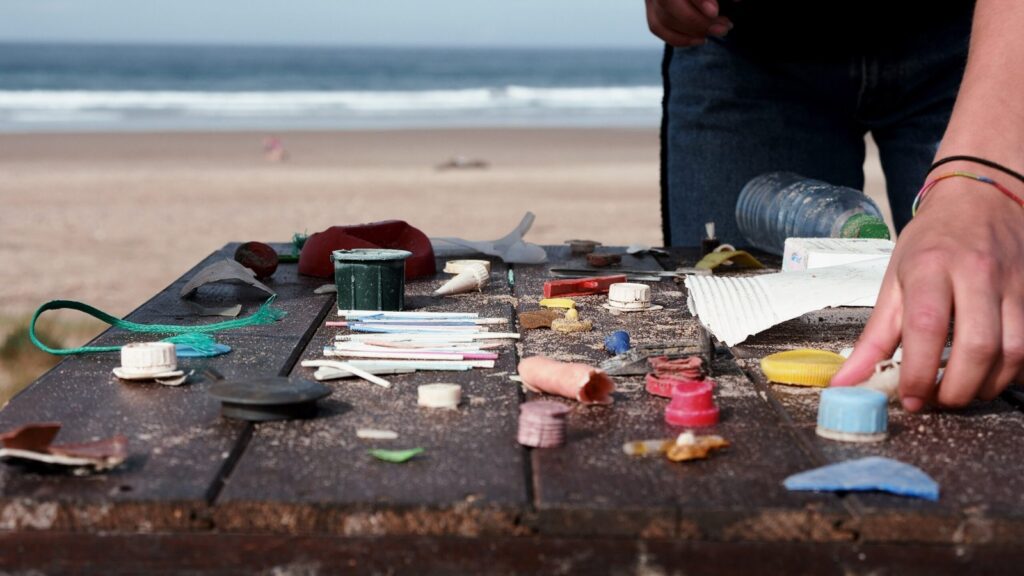
Scientific research
We generate knowledge about plastic pollution, biodiversity and impacts on marine ecosystems.
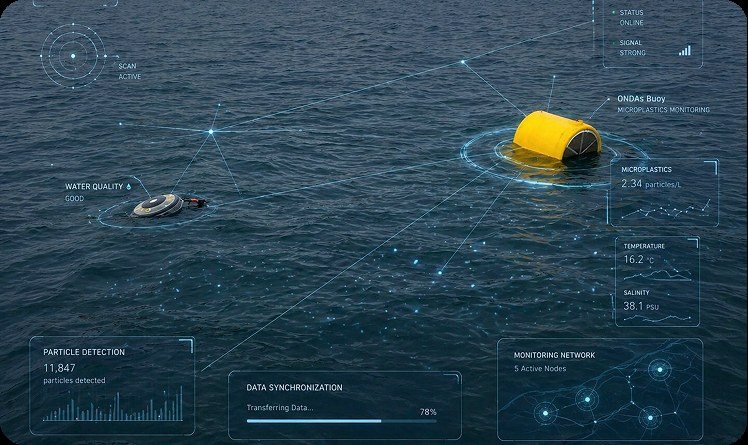
Innovation and validation
We develop, test and validate technologies, methodologies and environmental indicators, relying on our maritime operational intelligence platform Blue Resilience and the data space ONDAs Data Space.
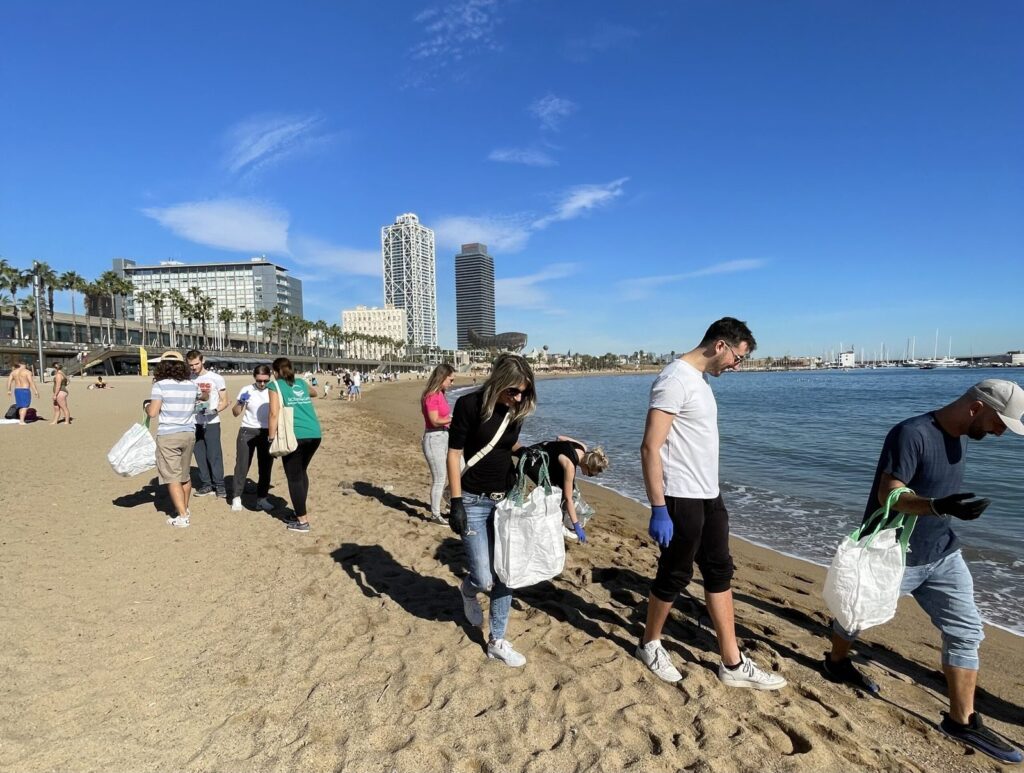
Monitoring and citizen science
We combine scientific observations and citizen participation to broaden the coverage of environmental data.
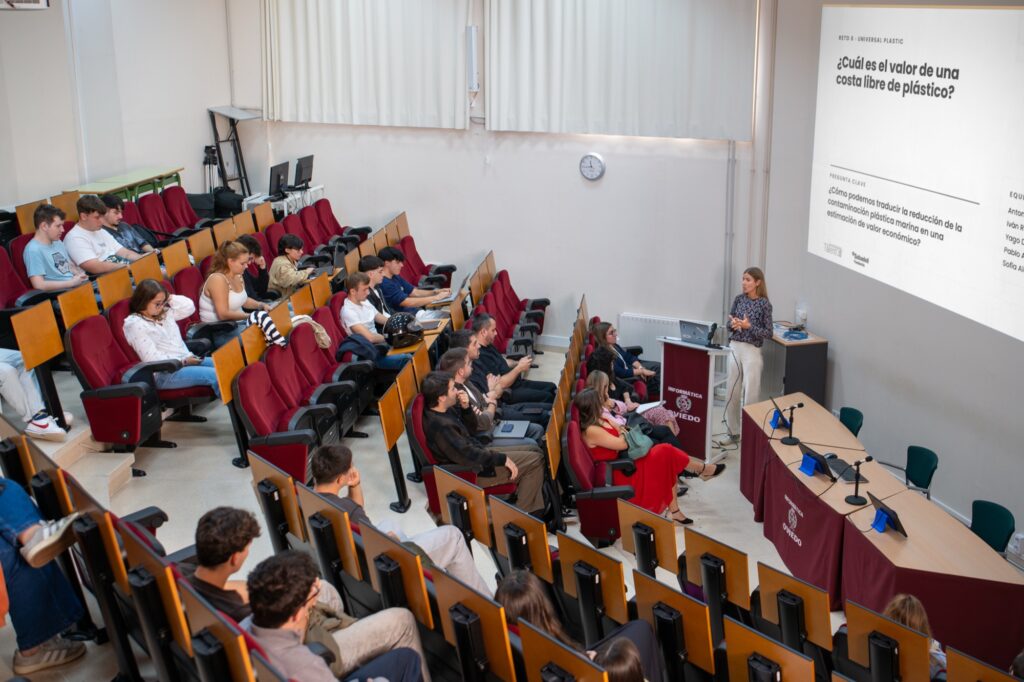
Education and outreach
We promote educational and awareness initiatives that bring ocean science closer to society, together with universities such as the University of Oviedo and its TalentUO Hackathon.
Our impact in data
Collaboration that delivers measurable results
29campaigns carried out
1,876Ocean Defenders mobilised
22,697 kgof plastic waste removed and characterised
18,402items analysed to strengthen our artificial intelligence models
145organisations collaborating on a single scientific infrastructure
Source: cumulative Universal Plastic figures published at universalplastic.io, as of November 2026. The data is recorded with the Universal Plastic app and connected in ONDAs Data Space.
From the territory to global knowledge.
Every data point follows a traceable, connected and actionable journey.
OBSERVE

UNDERSTAND
From data to knowledge

DECIDE
From knowledge to action

1
We observe
We generate data on the ground.
5
We analyse
We combine data, models and evidence.
6
We apply
We deliver results for research and decision-making.
Impact
From research to society
Our network and connections
A network open to new collaborations
Collaboration is part of how we work. We connect scientific, technological and environmental capabilities with institutions and organisations to drive joint projects. We want to keep growing this network and take part in initiatives that generate useful knowledge for the ocean.

Examples of collaboration
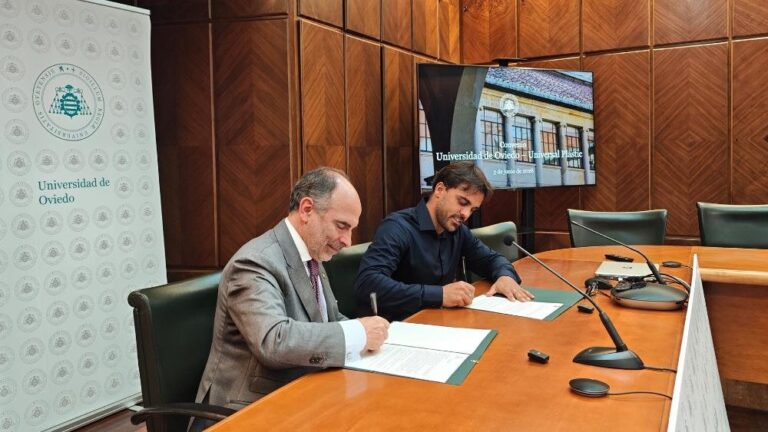
University of Oviedo
Collaboration on technological innovation applied to the ocean and the creation of new research opportunities.
View the case →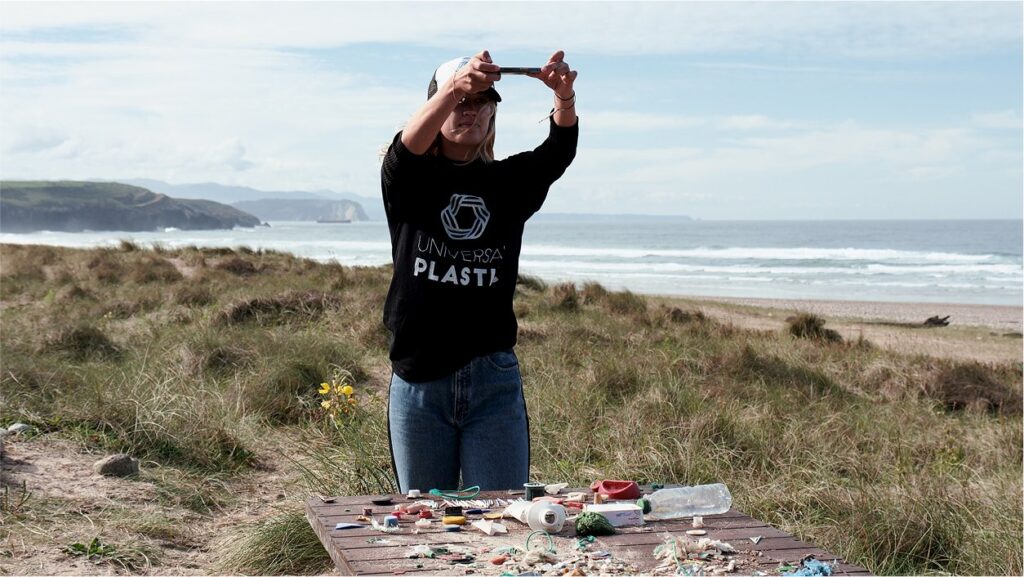
Innoceana
Waste monitoring through citizen science to generate data that contributes to the development of artificial intelligence models.
View the case →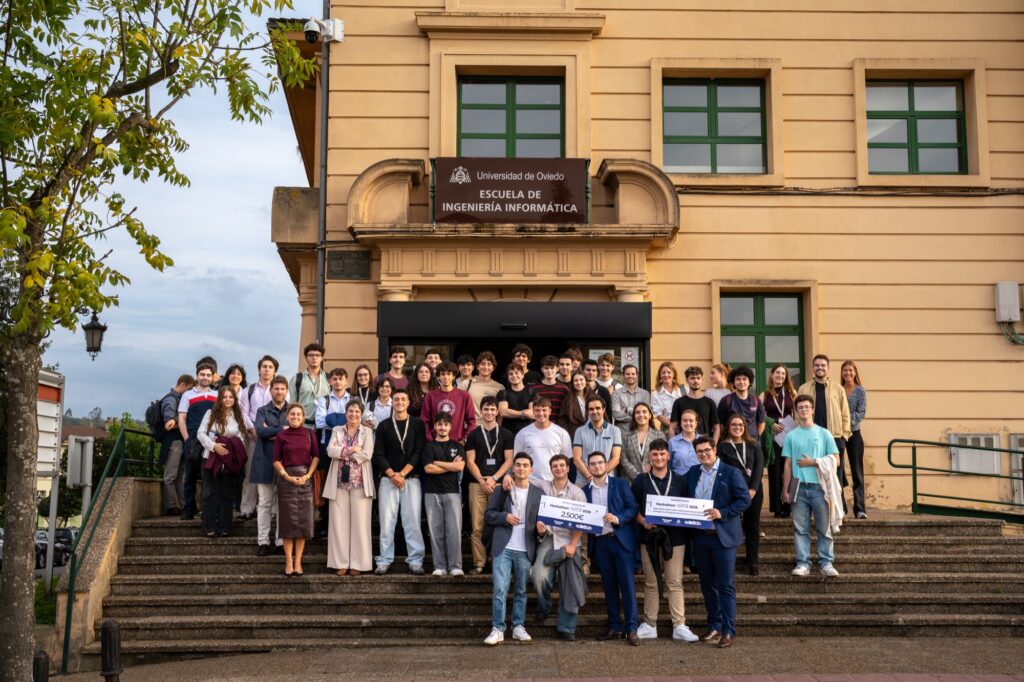
TalentUO Hackathon 2026
A challenge set for university teams at the University of Oviedo: design a first methodology to translate removing plastic from the coast into economic value.
View the case →
UNESCO-IOC / ODIS
Connecting local observations with an international ocean information network to broaden the reach and reuse of the data.
View the case →EMODnet
Associated Partner of EMODnet, the European Marine Observation and Data Network, connecting our plastic pollution records with a network that makes marine knowledge more accessible.
View the case →UN Ocean Decade
Our project has been recognised as a Decade Project by UNESCO's Intergovernmental Oceanographic Commission and is linked to the Ocean Practices for the Decade programme.
View the case →
SATEC and Blue Resilience
Pilot project with SATEC within the Government of Angola's Kalunga Programme: we apply our Blue Resilience methodology to assess how plastic pollution affects ocean productivity.
View the case →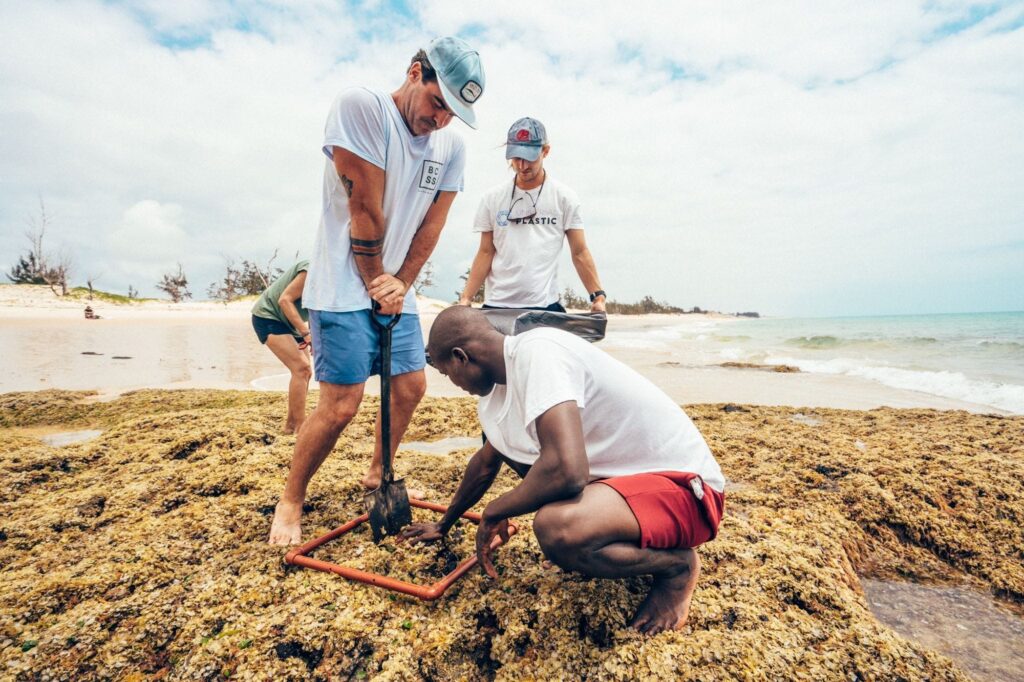
Bazaruto Observatory
Co-authorship of the paper on the Bazaruto ocean observatory (Mozambique), operated by the Bazaruto Center for Scientific Studies and published in Frontiers in Marine Science.
View the case →Frequently asked questions
Collaborating with Universal Plastic: the essentials
What kinds of institutions does Universal Plastic work with?
Universal Plastic works with universities, research centres, technology centres and other organisations on projects that combine data, technology and action on the ground to understand and protect marine ecosystems.
What forms of collaboration are there?
We collaborate on scientific research, innovation and validation of technologies and indicators, monitoring and citizen science, and education and outreach. We are also open to taking part in consortia, funding calls and European programmes.
What results has Universal Plastic delivered?
As of November 2026, Universal Plastic has carried out 29 campaigns, mobilised 1,876 Ocean Defenders, removed and characterised 22,697 kg of plastic waste and analysed 18,402 items to strengthen its artificial intelligence models, with 145 organisations collaborating on a single scientific infrastructure.
What makes Universal Plastic unique?
Universal Plastic does not measure its impact in kilos of waste removed, but with its own Biodiversity Impact Index: a native index, developed by Universal Plastic and patented, that turns every clean-up into a scientific, transparent metric of ecological and social recovery. Kilos count what is removed; the index measures what changes in the ecosystem.
What is ONDAs Data Space?
ONDAs Data Space is our data space: it enables the connection and interoperability of data from projects, institutions and on-the-ground observations, respecting the agreed access and use conditions.
Which collaborations does Universal Plastic already have?
Examples include the agreement with the University of Oviedo, the TalentUO Hackathon 2026, the collaboration with Innoceana, joining ODIS (UNESCO-IOC), being an EMODnet Associated Partner, having a project recognised as a UN Ocean Decade Decade Project, the collaboration with SATEC on the Blue Resilience pilot in Angola, and co-authoring the paper on the Bazaruto observatory. Official sources: University of Oviedo, UNESCO-IOC, EMODnet, UN Ocean Decade and Frontiers in Marine Science. Videos: “Collaborations” playlist on YouTube.
Can consortia be formed with Universal Plastic for European projects?
Yes. If you are putting together a team for a project related to ocean health, environmental data or plastic pollution, we can assess how to collaborate and which capabilities we can contribute.
How can I propose a collaboration?
You can fill in the form on this page with your institution, a contact person, the type of collaboration and your proposal. You can also write to us from the contact page.
Last updated: November 2026.
Institutional contact
Propose a collaboration
Forming a consortium, preparing a call or looking for partners? Tell us about your project and we will get back to you.

Britt Trago · CIOMSc International Development. Strategy, partnerships & impact. LinkedIn