


Impact Index: a new way to measure the impact of removing plastic from coastlines
Universal Plastic · 2026
Imagine two cleanups remove 1,000 kg of plastic. One happens near a habitat or an area of high biodiversity, the other in a less sensitive area. How do we know which one makes the bigger impact?
This question is behind the Impact Index, an initiative Universal Plastic is working on that proposes a new way to assess the benefits associated with coastal plastic collection actions.
Why do we need to measure impact?
A tonne of plastic removed gives us one concrete data point. However, the environmental benefit of that action also depends on where it happens, the characteristics of the ecosystem and the type of plastic removed.
The biodiversity present, the sensitivity of the habitat and the persistence of the plastic provide essential information for understanding the impact of each action. That’s why, when resources are limited, besides knowing how much plastic is removed, we need to identify which interventions can generate the greatest benefit for the ecosystem.

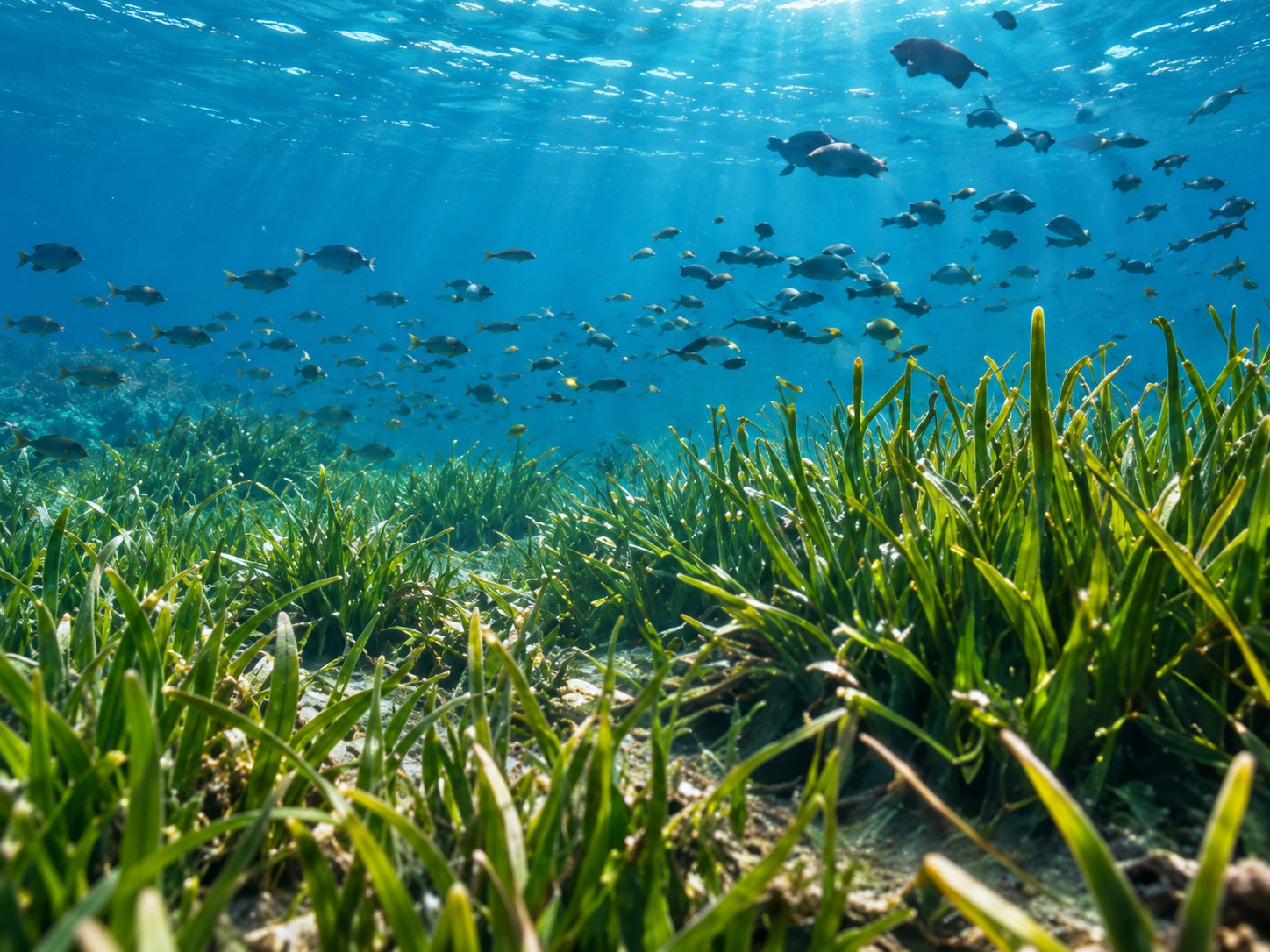
How can we estimate it?
The Impact Index combines different environmental and socioeconomic dimensions to estimate the benefit associated with each collection.
The model brings together four components:
1. Biodiversity
Assesses the biodiversity present in the area, considering species and habitats.

2. Socioeconomic value
Factors in activities that depend directly on the health of ecosystems, such as fishing or tourism.

3. Plastic characteristics
Analyses the quantity, type and environmental persistence of the plastic removed.

4. Carbon
Adds a carbon dimension to capture additional environmental benefits associated with marine ecosystems.

Combining these four dimensions will make it possible to estimate the potential impact associated with a specific plastic collection action at a given location.
What does the Impact Index deliver?
The result is expressed as a normalised score from 0 to 100. The higher the value, the greater the estimated positive impact in terms of biodiversity, carbon, socioeconomic value and the reduction of plastic in the environment.
To make it easier to read, the index uses a gauge chart, which makes it possible to quickly identify the level of impact of each project and clearly compare different actions.
The Impact Index turns complex environmental information into a single, comparable metric. It makes it possible to compare projects, prioritise the interventions with the greatest potential benefit and generate verifiable evidence for sustainability and ESG reports.
It also lays the groundwork for estimating the economic value of these environmental benefits and exploring future financing mechanisms linked to nature and biodiversity.
Towards a new way of valuing impact
If today we can assign an economic value to a tonne of CO₂ avoided, the next step is to rigorously quantify and value the environmental benefits that come from protecting marine ecosystems.


